










































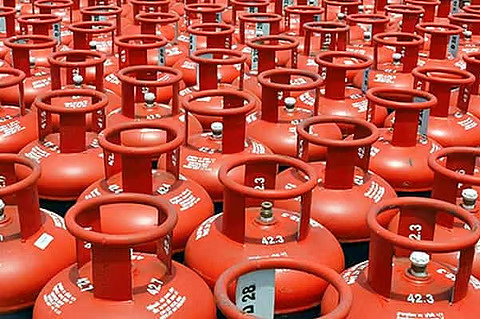
The LPG price for commercial cylinders has increased again in June 2026 as demand continues to rise amid ongoing tensions in West Asia. The latest hike has affected businesses across India, especially hotels, restaurants, and food outlets that depend heavily on commercial LPG. With this revision, commercial LPG cylinder rates have gone up by ₹42 to ₹54 in major cities, adding to the financial burden on businesses.
This is the fifth change in commercial LPG rates since March 2026. Many small restaurants and hotels are already struggling with rising operating costs, and some have reportedly been forced to close due to repeated price increases.
LPG Price Increased for Commercial Cylinders
The latest revision in LPG price came into effect on June 1, 2026. According to industry sources, the price of a 19-kg commercial LPG cylinder in Delhi has increased by ₹42.
The new rate in Delhi is now ₹3,113.50 per cylinder, compared to ₹3,071.50 last month. Similar increases have been reported in other major cities, making commercial LPG more expensive for businesses.
New LPG Price in Major Cities
The updated prices of commercial LPG cylinders in different cities are listed below:
| City | June 1, 2026 | May 1, 2026 | Increase |
|---|---|---|---|
| Chennai | ₹3,283 | ₹3,237 | ₹46 |
| Kolkata | ₹3,255.50 | ₹3,202 | ₹53.50 |
| Delhi | ₹3,113.50 | ₹3,071.50 | ₹42 |
| Mumbai | ₹3,067.50 | ₹3,024 | ₹43.50 |
Among the major cities, Kolkata saw the highest increase in commercial LPG rates, while Delhi recorded the lowest rise.
Why Is the LPG Price Rising?
The recent increase in LPG price is linked to growing concerns over global energy supplies. The ongoing conflict in West Asia has created uncertainty in international fuel markets. As a result, fuel prices have remained volatile, impacting LPG costs as well.
India imports a large portion of its LPG requirements, making domestic prices sensitive to global market movements. Rising demand and supply concerns have contributed to the latest increase in commercial LPG rates.
Impact on Hotels and Restaurants
The higher LPG price is creating challenges for businesses that use commercial cylinders daily. Hotels, restaurants, roadside eateries, and catering services depend heavily on LPG for cooking operations.
Many business owners are finding it difficult to manage rising fuel expenses. Industry reports suggest that some small establishments have already shut down because of increasing operational costs and lower profit margins.
Experts believe that if commercial LPG prices continue to rise, food businesses may be forced to increase menu prices, which could eventually affect consumers as well.
Government Directs Companies to Build LPG Reserves
In response to concerns about future supply disruptions, the central government has instructed state-run fuel companies to strengthen LPG storage facilities.
Officials have asked oil marketing companies to maintain enough LPG stock to meet demand for at least 30 days. This move aims to ensure a stable supply of LPG even if global conditions worsen.
Oil Companies Asked to Expand Storage
The government has directed major public sector oil companies, including Indian Oil Corporation (IOC), Bharat Petroleum Corporation Limited (BPCL), and Hindustan Petroleum Corporation Limited (HPCL), to prepare plans for expanding LPG storage capacity.
According to officials from the Petroleum Ministry, these companies are working on strategies to create larger LPG reserves and improve supply security across the country.
Domestic LPG Price Remains Unchanged
While commercial LPG cylinder prices have increased again, there is some relief for households. The government has not announced any fresh increase in domestic LPG cylinder rates.
Domestic LPG prices have seen only one revision since the beginning of the US-Iran conflict. Authorities are trying to protect household consumers from frequent price fluctuations and reduce the impact of global market instability.
For now, residential users can continue to purchase domestic LPG cylinders at existing rates, while businesses will have to bear the latest increase in commercial LPG costs.