


































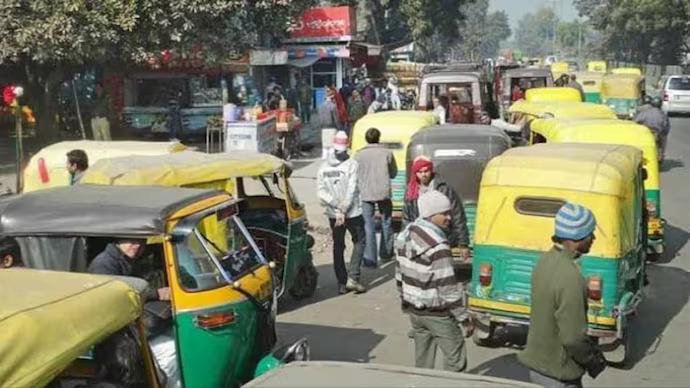
A major Taxi Strike has been announced in Delhi from May 21 to May 23 by several commercial vehicle driver unions. The drivers are demanding a fare hike as fuel prices continue to rise across the country. Taxi and auto drivers say their earnings are falling because daily expenses are increasing rapidly.
The three-day Delhi taxi strike may affect taxi, auto-rickshaw and app-based cab services in many parts of the national capital. Driver unions have also accused cab aggregator companies of unfair treatment and economic exploitation.
Why Drivers Have Called the Taxi Strike
According to the unions, rising prices of CNG, petrol and diesel have made it difficult for drivers to manage household expenses. Drivers say they are struggling financially as income has remained almost the same while expenses continue to grow.
Anuj Kumar Rathore, vice-president of the Chaalak Shakti Union, said the strike decision was taken after discussions with different transport organisations in Delhi.
He stated that drivers are facing serious problems because fuel costs are increasing continuously. As a result, many drivers are finding it difficult to support their families.
Fare Hike Demand by Taxi Drivers
One of the main reasons behind the Taxi Strike is the fare hike demand raised by drivers’ unions. According to them, taxi fares in Delhi-NCR have not been revised for nearly 15 years despite inflation and rising operating costs.
The unions said drivers are still charging passengers based on old fare rates while the cost of running vehicles has increased sharply.
They pointed out that expenses related to:
- Fuel
- Vehicle maintenance
- Insurance
- Fitness certificates
- Permits
- Daily household needs
Drivers believe that without a fare hike, many people working in the transport sector will continue facing financial difficulties.
Delhi Taxi Strike Targets App-Based Companies
The unions have also criticised app-based cab companies such as Ola, Uber and Rapido. According to the drivers, these companies are operating unfairly and are putting extra pressure on drivers. The unions claimed many drivers in Delhi-NCR are becoming victims of economic exploitation because of the policies followed by app-based platforms.
Drivers Demand Government Action
Transport unions have asked the government to hold discussions regarding their issues. They want authorities to create policies that protect drivers from unfair practices and improve their working conditions.
The All India Motor Transport Congress has also written to Delhi Lieutenant Governor Taranjit Singh Sandhu and Delhi Chief Minister Rekha Gupta regarding the matter.
The organisation warned that if the government does not announce higher taxi fares within the next one or two weeks, the protest could become larger in the coming days.
Protest Planned at Delhi Secretariat
Apart from the Delhi taxi strike, transport unions have also announced a protest outside the Delhi Secretariat on May 23.
Large numbers of taxi and auto drivers are expected to participate in the demonstration. Union leaders say the protest aims to draw attention to the financial struggles faced by commercial vehicle drivers in the city.
Rising Fuel Prices Increase Pressure on Drivers
The Taxi Strike comes shortly after another increase in fuel prices across the country. Petrol and diesel rates were recently raised by around 90 paise per litre on average.
In Delhi, petrol prices increased from Rs 97.77 per litre to Rs 98.64 per litre. Diesel prices also rose from Rs 90.67 per litre to Rs 91.58 per litre. The continuous rise in fuel prices has directly affected taxi and auto drivers because fuel is one of their biggest daily expenses.
Impact on Daily Commuters
If the strike continues for three days, passengers in Delhi may face transportation problems. Many people depend on taxis, autos and app-based cab services for daily travel, office work and airport rides.
Commuters may experience:
- Longer waiting times
- Higher demand for public transport
- Limited cab availability
- Increased travel inconvenience
People travelling during the strike period may need to plan their journeys in advance.
Taxi Drivers Seek Better Financial Support
Driver unions say they are not against passengers or the government. Their main demand is a fair fare structure that matches current fuel prices and inflation.
According to union members, commercial drivers work long hours but still struggle to earn enough because operating costs keep rising. They believe an updated fare system will help improve their income and reduce financial pressure.