





































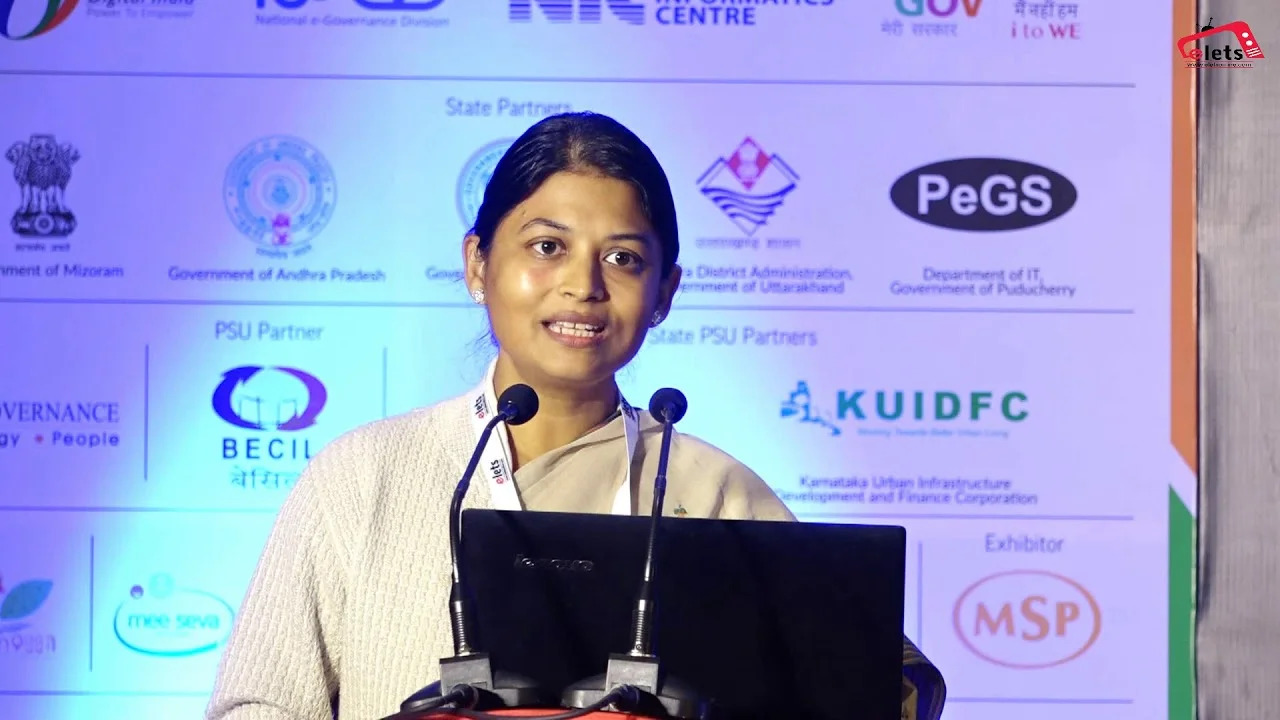
Padma Jaiswal, a senior Indian Administrative Service officer from the AGMUT cadre, has reportedly been removed from service after facing serious corruption allegations. The action against the officer came after a long disciplinary process linked to accusations dating back to 2007-08.
The news about the IAS officer padma jaiswal removal has drawn attention across administrative and political circles. Reports state that the final decision was approved by the President of India after recommendations from the Department of Personnel and Training (DoPT).
Padma Jaiswal IAS Removal After Long Investigation
The case related to padma jaiswal IAS removal reportedly started when she was serving as Deputy Commissioner of West Kameng district in Arunachal Pradesh during 2007-08.
According to reports, local residents filed complaints in February 2008 accusing Padma Jaiswal of misusing her official position and mishandling government revenue. These complaints later became the basis of a detailed inquiry.
Soon after the allegations surfaced, she was temporarily suspended in 2008. However, she later returned to service while the investigation continued. The inquiry process reportedly took several years before reaching its final stage recently.
Corruption Allegations Against Padma Jaiswal
The major action against the officer is linked to the ongoing corruption allegations connected with her tenure in Arunachal Pradesh.
Authorities reportedly examined claims of financial irregularities and misuse of administrative powers. The Ministry of Home Affairs later started disciplinary proceedings under Rule 8 of the All India Services (Discipline & Appeal) Rules.
At one stage, the Central Administrative Tribunal (CAT) reportedly cancelled the proceedings on technical grounds related to jurisdiction. However, the Union government challenged that decision in the Delhi High Court.
In April this year, the Delhi High Court ruled in favour of the Centre. After the judgment, the Ministry of Home Affairs completed the disciplinary process and recommended removal from service.
President Approves Padma Jaiswal IAS Removal
Reports suggest that the final order for padma jaiswal IAS removal was issued only a few days ago. The decision was reportedly approved by the President of India after recommendations from the DoPT, which functions under the Prime Minister’s Office. Though several media organisations have reported the development, an official public order has not yet been widely circulated.
The removal marks a major step because disciplinary action leading to dismissal of IAS officers is considered rare and usually follows long legal and administrative procedures.
Who Is Padma Jaiswal?
Padma Jaiswal belongs to the 2003 batch of the AGMUT cadre, which includes Arunachal Pradesh, Goa, Mizoram, and Union Territories. She was born on October 6, 1975.
Academically, she has a strong educational background. She completed a Bachelor of Commerce degree in Accountancy, followed by a Master of Commerce in Management. She also studied Company Management.
During her career, she served in several important administrative positions. Over the past two decades, she worked as Secretary, Director, Joint Secretary, Deputy Commissioner, Registrar, and other senior officers’ posts in different departments.
Before the recent action, she was serving as Special Secretary in the Administrative Reforms Department of the Delhi government. She had reportedly taken up that role in February 2026.
Impact of the Removal From Service
The removal of an IAS officer from service is considered a serious administrative action. In the case of IAS officer padma jaiswal, the decision officially ends her current tenure in the Indian Administrative Service.
However, reports suggest that the removal does not automatically stop future government employment opportunities in every situation. Further legal or administrative developments may still take place in the coming months.
The case has also highlighted how disciplinary proceedings involving senior officers can continue for years before reaching a conclusion. Legal challenges, departmental inquiries, and court decisions often make such cases lengthy and complicated.
Why the Case Is Important
The case involving Padma Jaiswal has become important because it involves a senior civil servant and long-running corruption allegations. Actions against high-ranking IAS officers are uncommon and usually attract public attention due to the important roles such officers play in government administration. The latest development also shows how complaints made many years ago can eventually lead to major disciplinary action if investigations continue. The matter is likely to remain in discussion as more official details emerge regarding the removal order and the future legal position of the former officer.