




























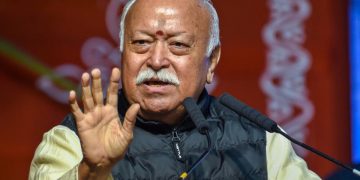




Rahul Gandhi has intensified his criticism of the government and the CBSE over the ongoing controversy surrounding the Class 12 OSM (On-Screen Marking) system. The Congress leader has raised fresh concerns about how answer sheets were digitised and evaluated, while also questioning the functioning of the CBSE re-evaluation portal. The issue has sparked nationwide debate, with students, parents, and education experts demanding greater transparency.
Rahul Gandhi Alleges Irregularities in Class 12 OSM System
Rahul Gandhi recently met students who have been actively highlighting problems related to CBSE’s first large-scale digital evaluation process. Following these discussions, he backed allegations made by student researcher Sarthak Sidhant, who claimed to have uncovered irregularities in the tender process used for the online marking system.
According to Gandhi, the original tender released by CBSE in May 2025 required answer sheets to be scanned using advanced robotic scanners. The tender also reportedly specified that answer booklets should be scanned at a minimum resolution of 300 DPI while preserving the original binding.
However, Gandhi alleged that these requirements were later removed when the tender was revised in August 2025. He claimed that the changes benefited a particular vendor involved in the digitisation process.
Claims of Mobile Phone Scanning
One of the most serious allegations is that answer sheets were scanned using mobile phones instead of professional scanning equipment.
Rahul Gandhi claimed that the reduction in technical standards may have led to poor-quality scans, missing pages, and blurred answer sheets. He argued that these issues were not accidental mistakes but a result of weakened tender requirements.
The Congress MP also stated that students whose marks may have been affected by evaluation errors deserve answers and accountability.
(Also Read: CBSE Re-evaluation 2026 Begins Today: Class 12 Students Can Apply for Answer Sheet Verification)
Questions Raised Over Tender Changes
The controversy gained further attention after Sarthak Sidhant published findings related to the tender process. He alleged that several technical and security requirements present in the original document were removed or diluted in the revised version.
According to his claims, the changes lowered the quality standards expected from the company responsible for digitising answer books.
Sidhant also pointed to visual signs found in some scanned answer sheets. He observed shadows and fold marks on multiple pages, which he argued are more commonly associated with photographs captured using handheld devices rather than automated scanners.
Social Media Posts Add Fuel to Debate
Screenshots shared online showed answer sheets containing visible shadows and folds. These images led many users to question whether professional scanners had actually been used.
Sidhant publicly asked CBSE to clarify how such marks appeared on documents that were reportedly scanned through advanced equipment. The allegations quickly spread across social media platforms, increasing pressure on the board to explain its processes.
Class 12 OSM Rollout Faces Major Criticism
The Class 12 OSM system was introduced as a technology-driven solution aimed at making evaluation faster, more transparent, and more accurate. Instead, the rollout has faced heavy criticism from students across the country.
Soon after the Class 12 results were announced, many students reported receiving lower marks than expected. Social media was flooded with complaints about blurred answer sheets, unchecked answers, missing pages, and other evaluation-related issues.
Several students claimed that their scores did not reflect their academic performance throughout the year.
Students Report Multiple Errors
One of the most discussed cases involved a student from Delhi who discovered that the Physics answer sheet uploaded under his roll number appeared to belong to another student. CBSE later acknowledged the mistake and uploaded the correct answer book. However, the incident increased concerns among students and parents.
Following this case, more students reported receiving answer sheets that appeared unfamiliar or inconsistent with their handwriting and answer-writing style. These reports further damaged confidence in the digital evaluation system.
CBSE Re-evaluation Portal Faces Technical Problems
The controversy was made worse by repeated technical issues on the CBSE re-evaluation portal. Many students complained about difficulties accessing scanned answer sheets and applying for verification. The portal reportedly experienced crashes and heavy traffic, forcing CBSE to extend deadlines and issue multiple clarifications.
The problems created frustration among students seeking quick access to their evaluated answer books.
Cybersecurity Concerns Surface
Adding another layer to the controversy, 19-year-old ethical hacker Nisarga Adhikary highlighted several security concerns related to the OSM ecosystem.
He claimed that vulnerabilities in the system could allow unauthorized access to answer-sheet scans. According to his social media posts, some security protections could be bypassed, raising concerns about student data safety.
Initially, CBSE rejected claims of major security lapses. However, the board later acknowledged vulnerabilities in one of the associated portals and confirmed that corrective measures were being taken.
CBSE Deploys Experts to Strengthen System
In response to growing criticism, CBSE said cybersecurity teams, government specialists, and experts from IITs have been involved in strengthening the platform. The board stated that vulnerabilities identified in the system have been addressed and additional efforts are underway to prevent future issues. CBSE has maintained that it remains committed to ensuring transparency, fairness, and security in the evaluation process.