








































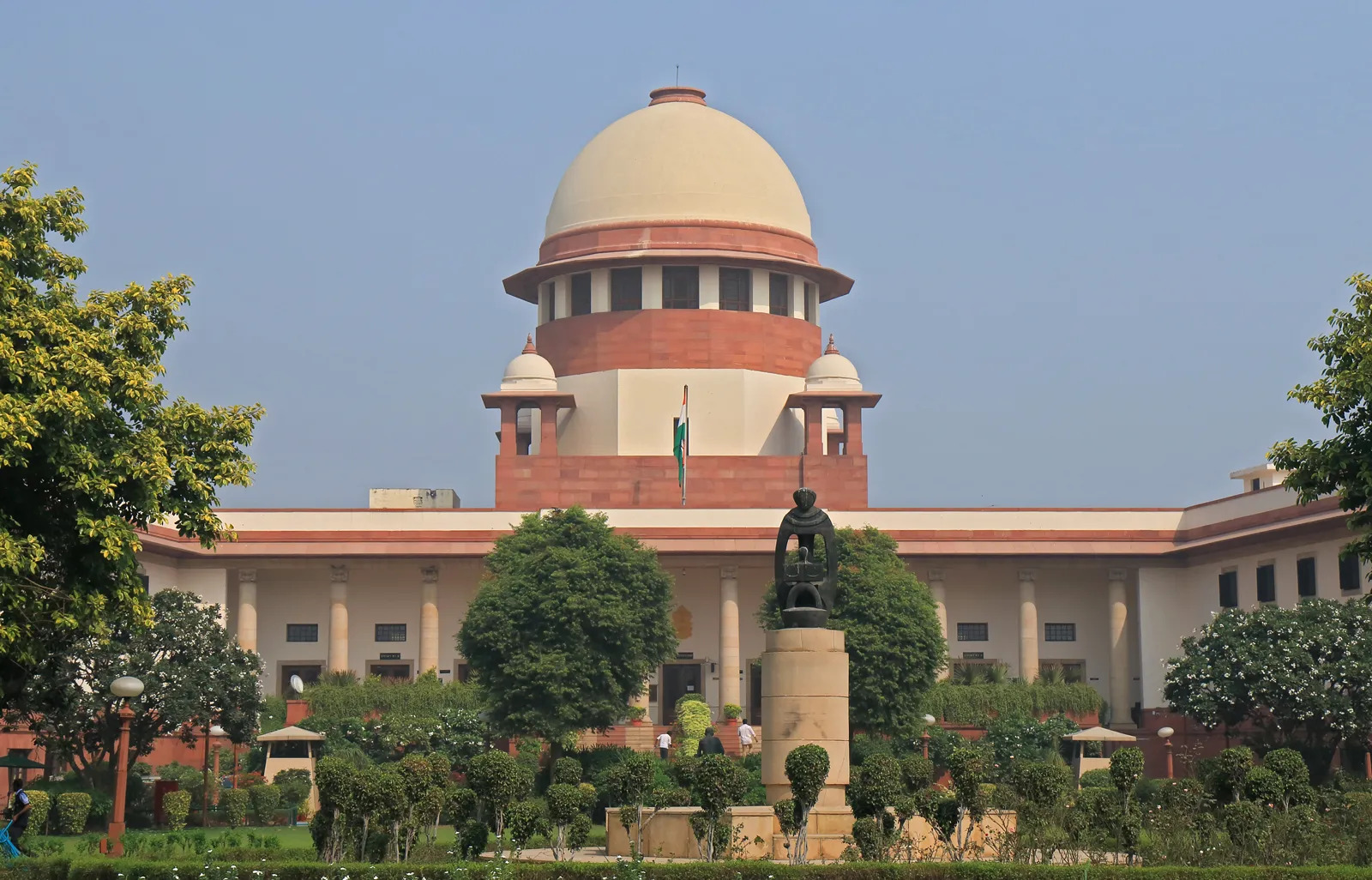
In a major decision, the Supreme Court has ruled that the SIR process carried out by the Election Commission is legal and constitutional. The verdict came as a big relief for the Election Commission of India (ECI), which had faced criticism over the Special Intensive Revision of voter lists.
The Court said the SIR Supreme Court case was connected to the larger goal of ensuring free and fair elections in the country. According to the bench, the process does not violate any constitutional principles. The judgment answered several major concerns raised against the voter list revision exercise.
Supreme Court Says SIR Is Not Illegal
One of the biggest questions before the Court was whether the SIR exercise itself was illegal. The Supreme Court clearly stated that the process has a valid constitutional purpose and cannot be declared unconstitutional. The judges said the revision of voter lists is linked to maintaining the integrity of elections. This means the Court fully supported the legality of the Special Intensive Revision process.
Election Commission Did Not Overstep Its Powers
Another important issue in the Supreme Court Hearing SIR matter was whether the Election Commission had exceeded its authority. The Court ruled that the Election Commission acted within its powers under Article 324 of the Constitution and the Representation of the People Act, 1950. According to the judgment, the ECI has the authority to conduct voter list revisions to ensure clean and accurate electoral rolls.
Can ECI Check Citizenship During SIR?
The Court also clarified whether the Election Commission can examine citizenship during the SIR process. The judges ruled that the ECI does have the power to verify citizenship while checking voter records. However, the Court made it clear that removal of a person’s name from the voter list does not automatically mean the person loses Indian citizenship.
The bench explained that exclusion from the electoral roll may simply mean the Election Commission could not verify the citizenship details properly. The Court added that any such cases must be handled according to the law.
Supreme Court Approves 11-Document Rule
Critics had also questioned the 11-document system used during the sir list revision process. The Supreme Court upheld the document verification method and said adequate safeguards were already in place.
According to the Court, the Election Commission had tried to balance electoral integrity with the protection of citizens’ constitutional rights. The judges also noted that the list of acceptable documents had been expanded over time to make the process easier for voters.
Citizens Can Appeal If Names Are Removed
The Supreme Court further clarified that citizens will not permanently lose voting rights if their applications are rejected during the SIR Supreme Court process. The Court directed that any deletion from the voter list must remain open to further review and legal appeal.
It also ordered the Election Commission and State Legal Services Authorities to help citizens file appeals if their names are removed from electoral rolls. This step was seen as important for protecting voters’ rights.
Aadhaar Accepted in SIR Process
The Supreme Court also approved the use of Aadhaar in the SIR exercise. The judges said the list of accepted documents was designed to help voters and not to restrict them. The Court pointed out that Aadhaar was included in the process following earlier Supreme Court directions issued in September 2025.
According to the bench, the classification of documents had a clear connection with the objective of maintaining accurate and trustworthy voter lists.
Bench That Delivered the Verdict
The judgment in the Supreme Court Hearing SIR case was delivered by a bench led by Chief Justice Surya Kant and Justice Joymalya Bagchi. The petitions before the Court had challenged the Election Commission’s notification issued in June last year for conducting the Special Intensive Revision in Bihar. With this ruling, the Supreme Court has given strong support to the Election Commission’s authority and the ongoing voter verification process.