











































Most people begin their health journey with strong motivation. They promise to eat healthier, exercise daily, and completely change their lifestyle overnight. However, after a few weeks, the routine often becomes difficult to maintain, and old habits slowly return.
Experts say true wellness does not come from perfection but from consistency. Small and practical daily health habits, followed regularly, can improve digestion, energy levels, sleep quality, and overall well-being over time.
Gastroenterologist Dr Saurabh Sethi, trained at Harvard and Stanford, recently shared simple lifestyle tips on Instagram. Based on his clinical experience, he explained that these easy habits can significantly improve health when practised consistently.
Here is a simple explanation of the habits he recommends.
(Also Read: What Happens to Your Brain When You Don’t Sleep Enough)
1. Avoid Using Your Phone Immediately After Waking Up
One of the most effective daily health habits is starting your morning without checking your phone. Many people begin their day by scrolling through social media or reading messages, which can increase stress levels.
According to Dr Sethi, cortisol — the body’s stress hormone — is naturally higher in the morning. Looking at screens right away can raise stress even more. Instead, taking a moment to feel grateful or calm your mind helps relax the nervous system and supports better digestion throughout the day.
A peaceful start can set a healthier tone for the entire day.
2. Get Morning Sunlight for Better Body Rhythm
Spending just 10 minutes in natural sunlight early in the day can greatly benefit your health. Exposure to morning sunlight helps reset your internal body clock, also known as the circadian rhythm.
This habit improves mood, supports vitamin D production, and helps regulate sleep patterns. People who get regular morning sunlight often experience better sleep at night and improved energy during the day.
Adding sunlight exposure is one of the easiest daily health habits anyone can follow.
3. Take a Short Walk After Meals
A brief walk after eating, especially after your largest meal, can help digestion and overall metabolism. Even a slow 10-minute walk can reduce bloating and improve blood sugar control.
Many people feel sleepy or heavy after meals. Walking gently helps the body process food more efficiently and prevents sudden energy crashes.
This simple movement habit supports both gut health and long-term metabolic health.
4. Include Fermented Foods in Your Diet
Fermented foods naturally contain probiotics, which are beneficial bacteria that support gut health. Items such as yoghurt, dahi, kefir, kimchi, and traditional drinks like kanji help maintain a healthy digestive system.
These foods feed good bacteria in the gut and improve digestion without the need for supplements in many cases.
Adding fermented foods regularly is one of the most effective daily health habits for maintaining a balanced gut microbiome.
5. Use Herbs and Spices More Often
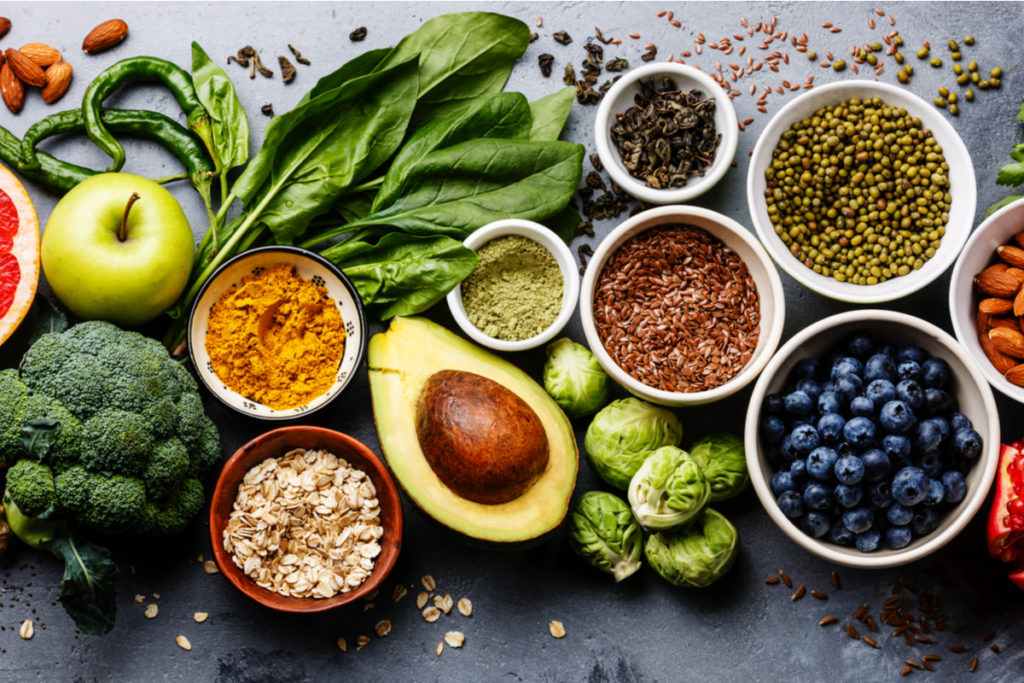
Common kitchen spices offer more than flavour. Ingredients like turmeric, ginger, cumin, fennel, and black pepper contain natural compounds that reduce inflammation and support digestion.
They also help increase plant diversity in meals, which is important for gut health. Traditional cooking methods already include many of these spices, making this habit easy to adopt without major dietary changes.
Small additions to everyday meals can create long-term health benefits.
6. Follow a 12-Hour Eating Window
Dr Sethi suggests maintaining a simple eating schedule where meals are consumed within a 12-hour window — for example, between 8 am and 8 pm.
This practice gives the digestive system time to rest overnight. During this fasting period, the gut can repair itself and function more efficiently.
Unlike strict diets, this approach is flexible and sustainable, making it one of the most practical daily health habits for long-term wellness.
7. Add Berries for Antioxidant Support
Berries are rich in antioxidants that help reduce stress and inflammation in the body. They also support the growth of beneficial gut bacteria.
Including berries in breakfast or snacks can improve overall nutrition without requiring major dietary changes. Washing them properly before eating ensures safety and hygiene.
Even small portions consumed regularly can contribute to better health outcomes.
8. Focus on Personalised Nutrition
One important lesson highlighted by Dr Sethi is that there is no universal diet suitable for everyone. Each person’s gut health, metabolism, and lifestyle are different.
Instead of following popular diet trends blindly, individuals should observe how their bodies respond to different foods. Personalised nutrition helps people create sustainable routines suited to their own needs.
Understanding your body’s unique requirements is becoming a key part of modern daily health habits.
Why Small Habits Matter More Than Big Changes
Many people fail to maintain health goals because they attempt drastic lifestyle changes all at once. Experts believe long-term success comes from small, repeatable actions rather than extreme routines.
Simple habits — better mornings, mindful eating, regular movement, and balanced nutrition — gradually improve physical and mental health.
Over time, these consistent actions can lead to better digestion, stronger immunity, improved sleep, and higher energy levels without overwhelming effort.