







































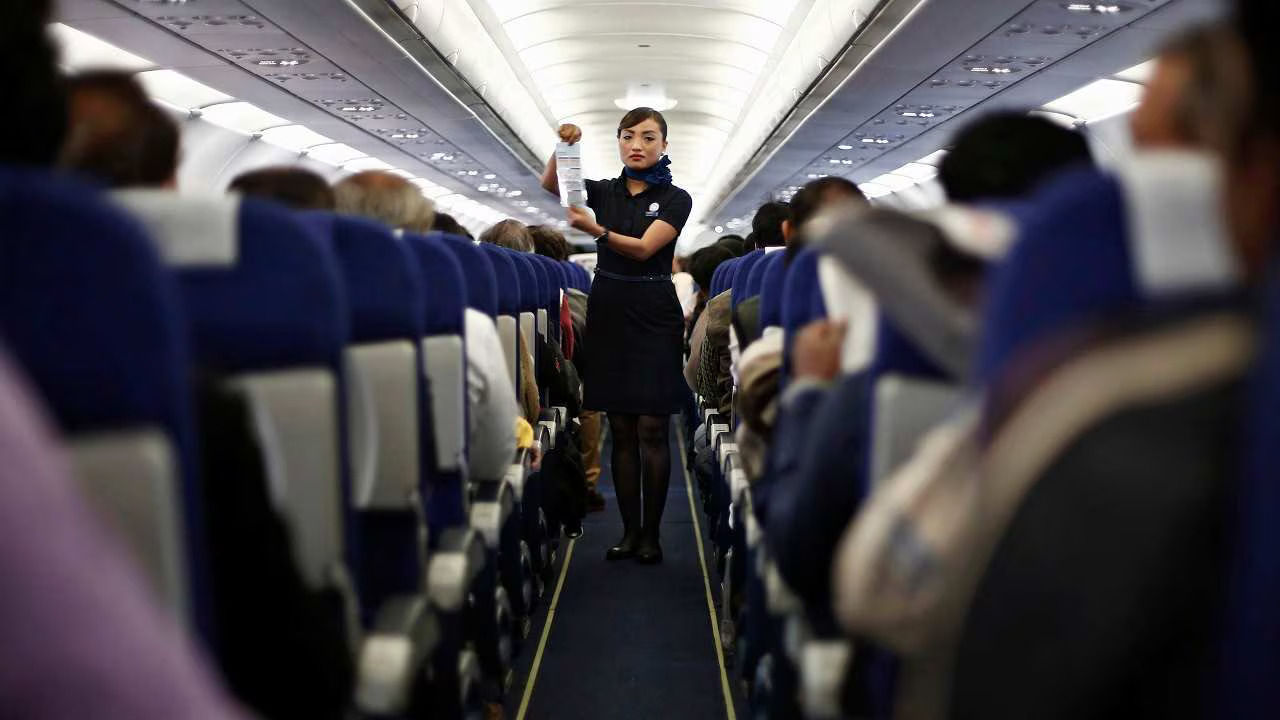
In a major relief for air travellers, the government has introduced new rules targeting airline seat charges India, asking airlines to ensure that at least 60 percent of seats on every flight are available without extra payment.
The decision comes after passengers repeatedly complained about hidden costs, especially charges for selecting seats during booking. Many travellers accused airline operators of forcing customers to pay additional fees even for basic seating preferences.
The Union Ministry of Civil Aviation has now stepped in with new passenger-friendly guidelines aimed at improving transparency and protecting customer rights.
Why the Government Took Action on Seat Selection Fees
Under current airline pricing systems, ticket costs often increase because seats are priced differently depending on their location. Window seats, aisle seats, and seats with extra legroom usually come with additional charges.
Only a limited number of seats — mostly middle seats at the back of the aircraft — are typically offered without extra fees. This practice led to widespread frustration among passengers, who questioned why seat selection required additional payment after purchasing tickets.
Social media platforms have seen frequent complaints about these hidden charges. Many flyers argued that airlines were exploiting passengers by turning basic services into paid add-ons.
The new airline seat charges India directive aims to address these concerns by ensuring a majority of seats remain free for selection.
Families and Group Travellers to Get Adjacent Seats
Another important rule introduced through the Directorate General of Civil Aviation (DGCA) focuses on passengers travelling together under the same booking reference, also known as PNR.
Airlines have now been instructed to seat such passengers together, preferably in adjacent seats, without forcing them to pay extra charges.
This issue has long troubled families and group travellers. Often, passengers booked under one ticket were given separate seats, leading to uncomfortable situations onboard. Travellers frequently requested fellow passengers to exchange seats, sometimes causing arguments before flights departed.
With the updated airline seat charges India guidelines, airlines must try to avoid such situations and improve passenger convenience.
Stronger Protection of Passenger Rights
The aviation regulator has also emphasised better protection of passenger rights in cases such as flight delays, cancellations, or denied boarding.
Airlines must now clearly display passenger rights across multiple platforms, including:
- Official websites
- Mobile applications
- Ticket booking portals
- Airport counters
The aim is to ensure travellers are fully aware of their entitlements and compensation policies.
Officials believe that clear communication will reduce confusion and disputes between passengers and airline staff.
Clear Policies for Luggage, Pets, and Special Items
Apart from seat charges, the government has also addressed frequent complaints related to transportation policies for special items.
Airlines have been directed to create transparent and passenger-friendly rules regarding:
- Sports equipment
- Musical instruments
- Pets travelling onboard
Passengers earlier reported inconsistent policies and high charges across different airlines. The regulator has clarified that while safety and operational requirements remain important, policies must be easy to understand and communicated clearly.
As part of the updated airline seat charges India reforms, airlines must also explain these rules in a simple and uniform manner.
Passenger Information to Be Available in Regional Languages
To improve accessibility, airlines have also been asked to communicate passenger rights in regional languages. Authorities believe this step will help travellers who may not be comfortable with English or Hindi.
Clear communication in local languages is expected to make air travel more inclusive, especially as aviation expands into smaller cities across India.
Growing Aviation Market in India
India has rapidly become one of the world’s largest aviation markets. The country is currently the third-largest domestic aviation market globally, with airports handling more than five lakh passengers every day.
With rising passenger numbers, the government says improving travel experience and protecting consumer rights has become a top priority.
The Civil Aviation Ministry has introduced several passenger-focused initiatives alongside the new airline seat charges India rules. These include:
- UDAN Cafes offering affordable food at airports
- Flybrary facilities providing free access to books
- Free WiFi services at airports
These initiatives aim to make air travel more comfortable and affordable for ordinary passengers.
What the New Rules Mean for Travellers
The latest move signals a shift towards greater regulation of airline pricing practices. By ensuring most seats remain free and improving transparency, the government hopes to reduce passenger dissatisfaction.
Travellers can now expect:
- More free seat options
- Better chances of sitting with family members
- Clear information about rights and policies
- Improved transparency in airline services
Industry experts believe the reforms could increase customer trust while encouraging airlines to adopt fairer pricing models.