








































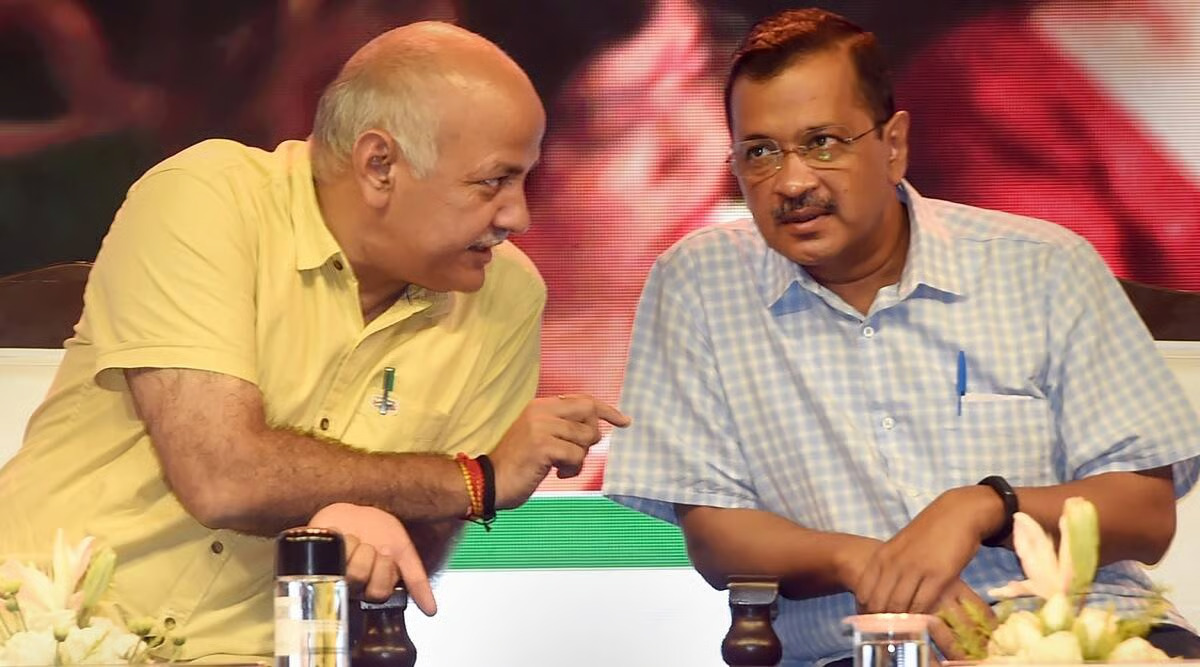
In a major development in the Arvind Kejriwal Delhi excise policy case, a Delhi court discharged former Chief Minister Arvind Kejriwal and former Deputy Chief Minister Manish Sisodia, stating that the CBI failed to prove the charges against them. After reviewing the material presented by investigators, the court concluded that the prosecution could not establish its allegations with solid and credible evidence. The ruling brings significant relief to both leaders in the Delhi excise policy case, which has remained one of the most talked-about political controversies in recent times.
Court Finds No Evidence of Criminal Intent
During the hearing, the judge made it clear that serious allegations require strong supporting material. The prosecution tried to project Kejriwal as the central figure in an alleged conspiracy linked to the excise policy. However, the court found no convincing proof to back that claim. The judge emphasized that authorities must rely on documented facts and consistent evidence before assigning such a role to an elected official. Without proper material on record, the claim of a central conspiratorial role could not stand.
The court also highlighted the broader impact of unsupported allegations. It observed that when agencies make claims without adequate proof, public trust in institutions can suffer. The judge underlined that the legal system must protect both accountability and fairness.
No Criminal Intent Found Against Sisodia
While examining the charges against Manish Sisodia in the Delhi excise policy case, the court stated that the prosecution’s case did not survive judicial scrutiny. The judge carefully reviewed the documents, official files, and recorded statements. Instead of pointing toward wrongdoing, the material reflected administrative discussions and structured consultations related to policy decisions.
The court found no evidence suggesting criminal intent on Sisodia’s part. It noted that policy-making in government typically involves multiple rounds of discussion, review, and approval. In this case, the documents indicated institutional deliberation rather than any secret arrangement or illegal act.
Policy Process Involved Multiple Consultations
The judge further observed that the process behind the formulation of the excise policy included consultation at several levels of the government. Officials discussed drafts, reviewed suggestions, and followed procedural steps before finalising the policy. These actions reflected a regular administrative framework.
The prosecution’s broader theory of an overarching conspiracy failed to convince the court. According to the judge, the narrative contained internal contradictions and lacked strong supporting links between the accused and the alleged misconduct. As a result, the court decided to discharge both leaders in the Arvind Kejriwal Delhi excise policy case.
The case had drawn nationwide attention, but the court’s decision now brings relief to both leaders, at least at this stage of the legal proceedings.
What This Means Going Forward
This ruling marks an important turn in the Arvind Kejriwal Delhi excise policy case. The decision reinforces a key legal principle — investigative agencies must present clear, consistent, and evidence-based arguments in court. Allegations alone cannot sustain criminal charges without material proof.
For now, the discharge offers relief to Kejriwal and Sisodia. However, the political and legal discussions surrounding the Delhi excise policy case are likely to continue in the coming months.