























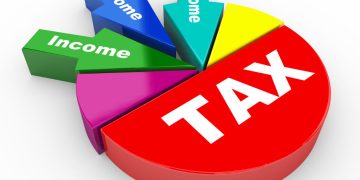














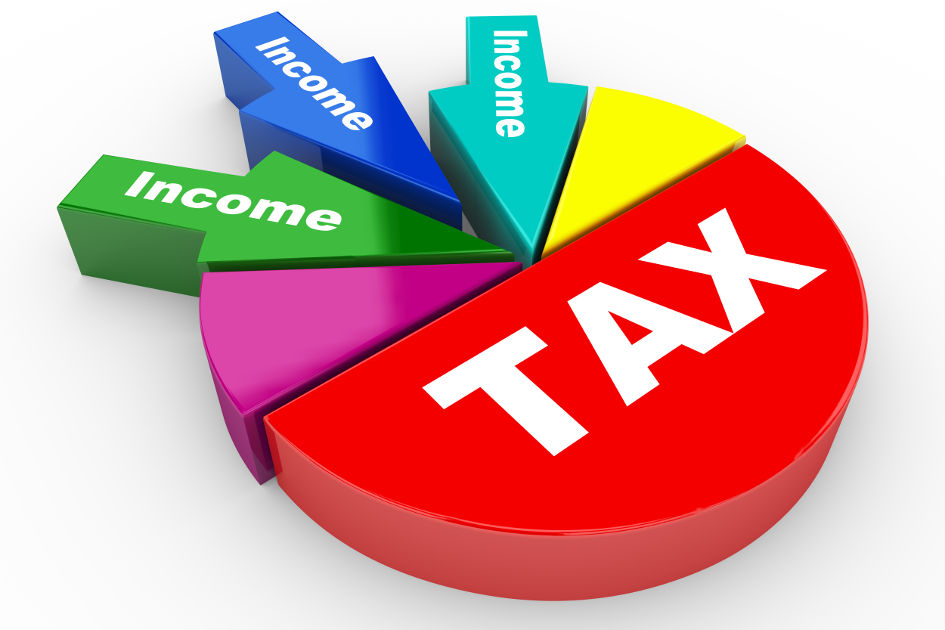
The old income tax regime has received a quiet but meaningful boost under the Draft Income Tax Rules 2026. The proposed rules update several long-standing exemptions and allowances that had failed to keep pace with rising living costs. With higher HRA benefits, improved child-related allowances, revised meal voucher limits, and modernised valuation of employer perks, the old system is becoming relevant again for a section of taxpayers.
This has reopened an important question for salaried individuals and families. Should taxpayers now reconsider the old income tax regime, or does the new simplified tax structure still make more sense?
Is the Old Income Tax Regime Becoming Attractive Again?
Tax experts believe the changes benefit taxpayers who rely heavily on exemptions linked to rent, children’s expenses, and employer-provided benefits. According to Suresh Surana, the government’s move reflects a transitional approach. He explains that authorities are not reviving the old system but updating it to provide fair relief while both regimes continue to exist.
In simple terms, the old income tax regime is being refined, not replaced.
Why the Government Updated the Old Income Tax Regime
When the new tax regime was introduced, the government aimed to simplify tax compliance. Lower slab rates and fewer exemptions made it easier for taxpayers who did not want the burden of paperwork.
Gaurav Makhijani, Tax Head at Makhijani Gera and Associates, explains that many taxpayers struggled with documentation under the old system. Over time, however, concerns grew that exemption limits had not kept up with current economic realities.
Rents in cities like Bengaluru and Hyderabad have surged. School and hostel costs have increased sharply. Even daily expenses like meals have become far more expensive than before. These pressures pushed the government to revisit outdated thresholds.
Experts stress that this is not a policy reversal. Instead, it is a long-overdue correction to reflect today’s cost of living.
(Also Read: RSS Chief Mohan Bhagwat Says Sangh Works for Unity and Nation Building)
Higher HRA Exemptions for More Cities
One of the most impactful changes involves House Rent Allowance. Earlier, only Delhi, Mumbai, Kolkata, and Chennai qualified for the higher 50% HRA calculation.
The draft rules now extend this benefit to cities such as Bengaluru, Hyderabad, Pune, and Ahmedabad. This move immediately increases tax savings for thousands of renters. According to Dr. Surana, recognising these cities as metro equivalents improves the tax efficiency of the old income tax regime for a wider urban workforce.
Child Allowances and Meal Vouchers Get a Major Upgrade
The revised rules also address child-related exemptions that had remained unchanged for years. Updated limits for children’s education and hostel allowances directly help families, as these benefits exist only under the old income tax regime.
Meal vouchers have seen a sharp revision as well. The per-meal exemption is proposed to increase from ₹50 to ₹200. This change alone reduces taxable income for many salaried employees who receive employer-sponsored meal benefits.
Modern Rules for Employer-Provided Perks
Several employer-linked perquisites will now be valued using updated norms. These include rent-free accommodation, car usage, and concessional loans. Earlier calculations relied on formulas dating back decades. The revised approach aligns tax valuation with modern compensation structures.
Leave Travel Concession rules have also been relaxed. The restriction limiting reimbursement to economy class fares is proposed to be removed. Employees will now receive LTC benefits based on their entitled travel class. Where public transport is unavailable, a standard reimbursement of ₹30 per kilometre is proposed.
Dr. Surana says these changes introduce flexibility that better reflects real workplace policies.
CBDT Signals Easier Compliance
Alongside exemption updates, the Central Board of Direct Taxes has proposed rationalised PAN-quoting rules and revised thresholds for reporting high-value transactions. These measures signal an effort to simplify compliance while modernising the tax framework.
( Also Read: Income Tax Forms to Get New Names From April 2026: What Changes for Taxpayers)