




























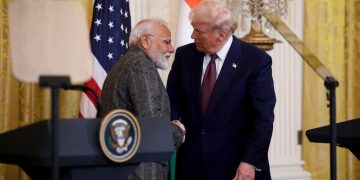


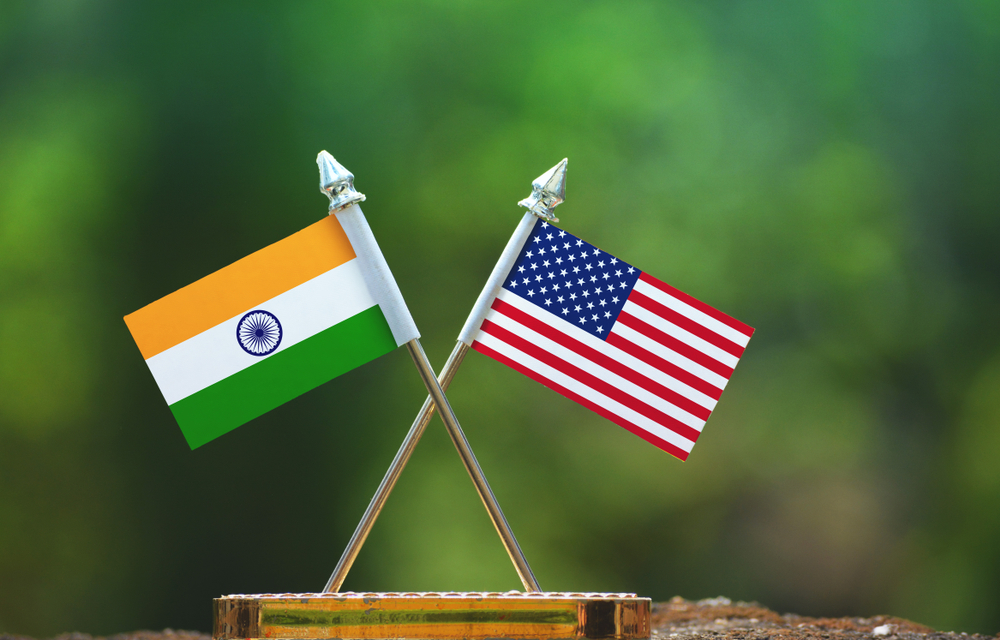
While US President Donald Trump and his team projected the India-US trade deal as a major win for America, a Bloomberg report has revealed a very different story behind the scenes. According to the report, the Modi government made it clear to Washington that India was prepared to wait out Trump’s presidential term rather than accept pressure-driven terms.
Ajit Doval’s Message to Washington
Bloomberg reported that in early September 2025, National Security Adviser Ajit Doval met US Secretary of State Marco Rubio. During the private meeting, India conveyed a firm message — New Delhi would not be bullied into a trade agreement. Officials familiar with the discussion said India was willing to delay the India-US trade deal if needed.
At the time, ties were under strain due to repeated public attacks by the Trump administration and the imposition of steep 50% tariffs on Indian exports, among the highest globally. Agriculture and dairy remained India’s red-line sectors, and New Delhi showed no flexibility on them.
Trump Administration Softens Tone After Meeting
According to the Bloomberg report, Doval also urged the US side to tone down public criticism so bilateral relations could return to normal. Soon after the meeting, Trump softened his rhetoric and even called Prime Minister Narendra Modi to wish him on his birthday later that month.
Before that, Trump allies such as Peter Navarro had sharply criticised India, linking it to global conflicts and attacking its cultural identity. Relations worsened further after India rejected Trump’s claims of brokering an India-Pakistan ceasefire in May 2025.
Trade Deal Announcement Raises Questions
Despite ongoing tensions, Trump suddenly announced the finalisation of the India-US trade deal on his Truth Social platform. While Modi confirmed speaking with Trump, he made no mention of the trade agreement. Commerce Minister Piyush Goyal later said talks that began in February 2025 had reached a “final form.”
The lack of public details triggered political attacks in India, with critics alleging US pressure on oil and agricultural imports. However, the Bloomberg report suggests otherwise. India’s willingness to wait until the end of Trump’s term in 2029 indicates that New Delhi may not have accepted unfavourable conditions.
What This Means for India-US Relations
The India-US trade deal remains politically sensitive for both sides. For India, the priority appears to be protecting key domestic sectors. For Trump, the deal plays well with voters ahead of US mid-term elections. The coming months will reveal whether the agreement truly reflects balanced interests — or just political optics.