






































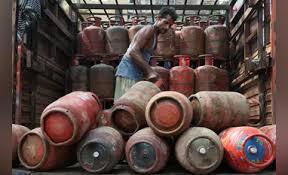
India is currently facing a serious lpg shortage, affecting homes, restaurants, and small businesses across the country. The rising lpg price and disruption in supply have created concern among consumers who depend on cylinders for daily cooking. Due to global tensions and supply challenges, the india lpg system is under pressure, forcing the government to closely monitor distribution and control misuse. Officials say efforts are being made to stabilise the lpg gas price and ensure essential users receive priority supply.
Why India Is Facing an LPG Shortage
The ongoing conflict in the Middle East has affected global energy supply chains, leading to delays in LPG shipments reaching India. Since the country imports a large portion of its cooking gas, any disruption in international routes directly impacts availability.
The shortage has already begun affecting daily life. Many households report delays in cylinder delivery, while restaurants and food businesses are struggling to continue normal operations. Cities such as Bengaluru, Kolkata, and Mumbai have seen eateries warning customers that services may be reduced if the situation does not improve soon.
Energy experts explain that shipping routes passing through sensitive regions have become uncertain. This has slowed transportation and increased costs, which also influences the overall lpg price in the domestic market.
(Also Read: LPG Shortage in India: Mumbai Restaurants Shut as Gas Cylinder Supply Falls)
Government Monitoring LPG Supply Across States
To handle the growing lpg shortage, the central government has instructed all states and Union Territories to monitor LPG supplies every day. Local authorities have been asked to track distribution closely and take strict action against anyone violating supply rules.
Officials believe that daily supervision will help prevent panic buying and ensure fair distribution. The government wants to make sure that essential household needs are not affected even if supply remains limited.
Union Minister of State for Petroleum and Natural Gas Suresh Gopi confirmed that the government is actively working to manage the crisis. According to him, India is exploring alternative sources and additional supply opportunities to stabilise the india lpg market.
However, he also stated that certain details about supply routes cannot be publicly discussed because of diplomatic and security reasons related to international shipping corridors.
Domestic Consumers Get Priority in LPG Distribution
Public sector oil companies have clarified that domestic users will receive the highest priority during the shortage period. Bharat Petroleum Corporation Limited (BPCL) announced that household cooking needs will be protected first before supplying other sectors.
A joint committee involving executives from BPCL, Indian Oil Corporation (IOC), and Hindustan Petroleum Corporation Limited (HPCL) has been formed to review supply requests. This group evaluates demand from commercial users and allocates cylinders depending on urgency.
This step aims to prevent sudden spikes in lpg gas price and reduce inconvenience for families that rely entirely on LPG for cooking.
Restaurants, hotels, and catering services may experience reduced supply temporarily, as authorities focus on essential domestic consumption.
Impact of LPG Shortage on Restaurants and Businesses
The ongoing lpg shortage has hit the food industry particularly hard. Many restaurants depend heavily on LPG cylinders for daily cooking operations. With deliveries becoming irregular, some eateries are considering reducing menu options or operating hours.
Restaurant owners in major cities say they are facing increased operational costs because they must arrange alternative fuel sources or pay higher prices in emergency situations.
Small food vendors and roadside stalls are also feeling the pressure. Rising lpg price levels directly affect their profit margins, forcing some to increase food prices or limit production.
If supply challenges continue, experts warn that the hospitality sector could face temporary disruptions across several urban areas.
Crackdown on Illegal Use of Domestic LPG Cylinders
Authorities have also started strict enforcement drives to prevent misuse of domestic LPG cylinders. Illegal diversion of subsidised cylinders to commercial businesses has been identified as one of the reasons worsening the shortage.
Search and seizure operations are being conducted in different regions to stop black marketing and pilferage. Officials are inspecting storage locations and monitoring suspicious supply patterns.
The government believes that controlling illegal activities will improve availability and help maintain stable india lpg distribution during the crisis.
Consumers have also been encouraged to report suspicious sales or overpricing to local authorities.
Will LPG Gas Prices Increase Further?
Many consumers are worried about a possible rise in lpg gas price due to global supply uncertainty. Energy analysts say prices may remain volatile in the short term because international fuel markets are closely linked to geopolitical events.
However, the government is attempting to reduce the impact on common citizens by improving supply channels and maintaining controlled distribution.
If additional imports are secured successfully, the lpg price could stabilise in the coming weeks. Much will depend on global developments and how quickly shipping routes return to normal.
What This Means for Consumers in India
The current lpg shortage highlights India’s dependence on international energy markets. While authorities are working to manage supplies, consumers may need to prepare for slight delays in cylinder deliveries.
Experts suggest households use LPG carefully and avoid unnecessary stockpiling. Responsible consumption can help ensure fair access for everyone during the shortage period.
The situation also shows the importance of diversifying energy sources and improving storage capacity to handle future disruptions.
(Also Read: Supreme Court Allows Passive Euthanasia for Harish Rana: A Step Toward Dignified End-of-Life Care)